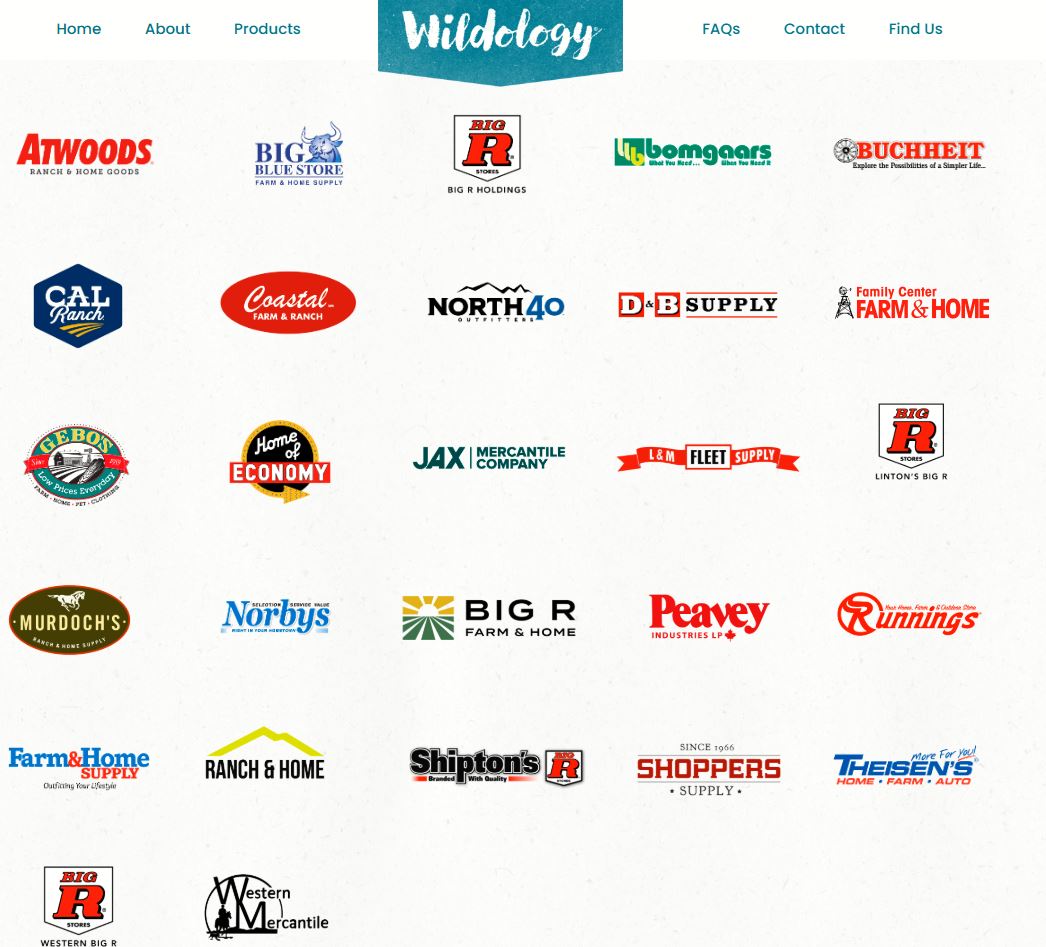
Our Address:
1867 Sioux Rd, Lindsborg, KS 67456
Crista's Cell: (620) 755-3490
Only take 18th to Sioux Road.
DO NOT TAKE 19th Road!
19th is a very bad road and not maintained.
Puppy Buyer Information
PLEASE READ ALL INFO!
It will answer most of your questions!
You have chosen to purchase a puppy from us.
Below you will find probably too much info! Take your time.
We want our puppies to have wonderful lives. This journey starts with us as the breeder.
It ends with you, the new owner. We fully trust that you are getting prepared for this new puppy.
Maybe some of the information below will help you.
Pick-Up Day – What do you need to bring?
Final Payment:
First, bring the final payment. WE DO NOT accept checks.
Our preferred method of payment is cash.
We do understand that some may travel very far to pick up their puppy and it’s not always safe to carry that much cash. For those traveling long distances, we can accept PayPal or card.
We do have a card reader in the office.
We do have fees that add up when using those methods, so when possible, please pay in cash.
If you are not comfortable carrying the puppy home on a passenger’s lap, please bring a crate.
A medium/intermediate size crate works well. Place a towel inside, and bring a second towel just in case a replacement is needed.
Bring paper towels and gallon-sized zip-lock bags so if your puppy has a mess in the car, you can pull over, clean it up, and seal everything in a bag to dispose of later.
Choose a pet friendly, NON-TOXIC spray for mess cleanup.
You can bring more or you can bring less, just use good judgment.
A lot of this depends on how far you have to travel with your new puppy.
You will be given a puppy pack on the day of pick-up.
This pack includes:
Starter Food / We feed: Wildology Swim
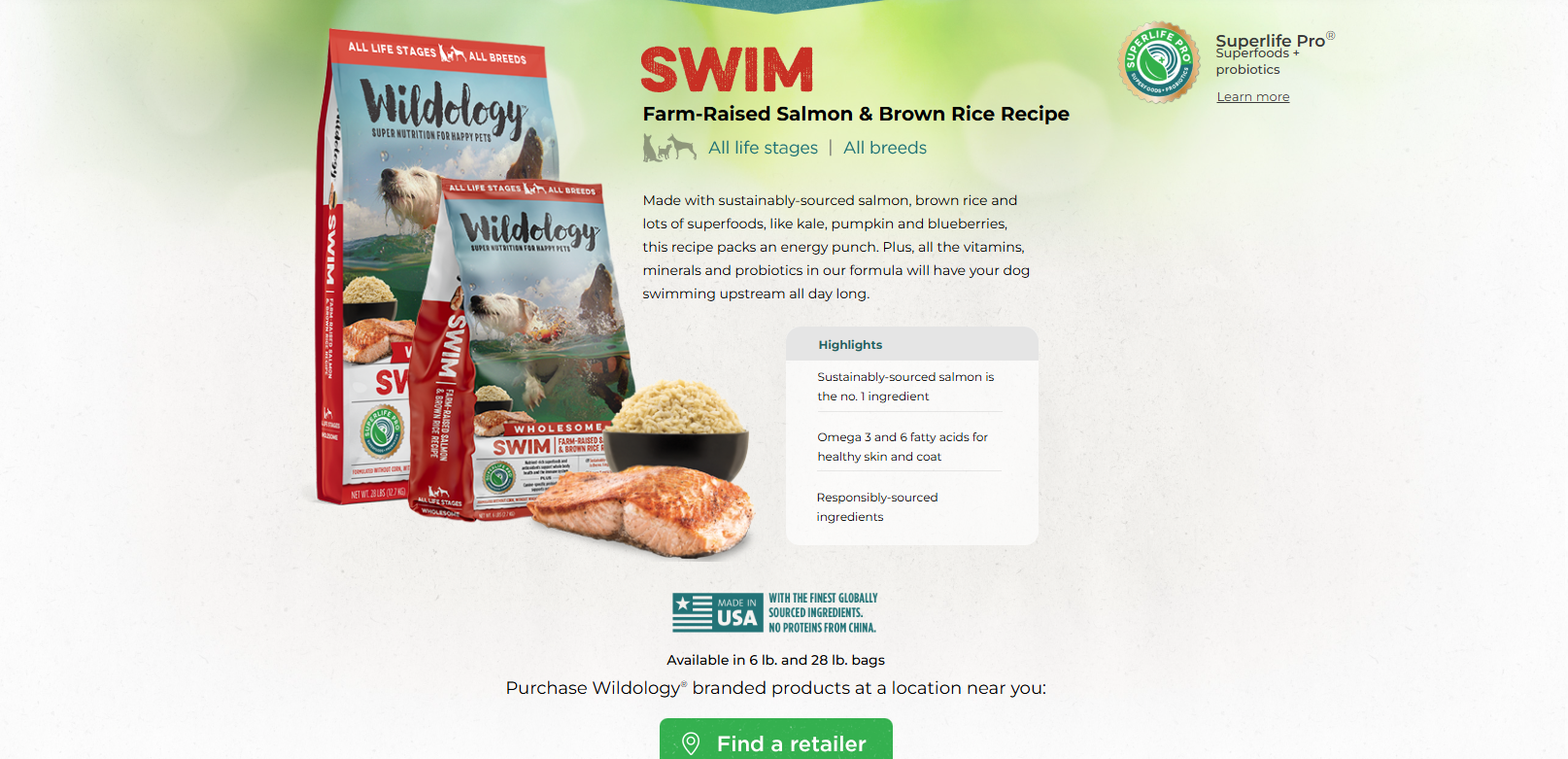
We will be sending you home with a small bag of this food for an easy transition and to help with potty training.
It is still a good idea to purchase a bag of your own ahead of time so you have it when the small bag we send home is gone.
NOTE: GSP Female Puppies
It is common for female GSP puppies to have a slightly inverted vulva.
No surgery is typically needed!
Let your puppy have a few heat cycles before spaying, ideally closer to two years of age.
Usually, with one or two cycles, the inverted vulva will correct on its own.
Just another reason to wait until this breed is closer to maturity before spaying.
However, please be responsible.
Do NOT allow your female dog to be around male dogs while she is in heat.
When your dog has a heat cycle, keep that area clean.
This can help prevent irritation or infection during and after the cycle.
Heat Cycle Breakdown (7-7-7 Rule)
- 7 days bleeding (coming into heat)
- 7 days standing heat (fertile period — can become pregnant, bleeding usually less)
- Final 7 days coming out of heat
If your female comes into heat, keep her away from any male dog for at least one full month from the start of bleeding.
We don’t want any ACCIDENT litters, and you don’t want anything interfering with your puppy’s development.
Good news!
GSP females often cycle later than many other breeds.
- First cycle: around 10–12 months of age
- After that: approximately every 6 months
Urinary Health – Cranberry Juice
Another helpful item to have on hand is 100% organic cranberry juice.
This can be especially useful for female puppies.
It is not uncommon for puppies to experience mild urinary irritation, sometimes referred to as a “puppy UTI.”
Female puppies are more prone, but males can also be affected.
If you notice your puppy:
urinating more frequently
having small accidents
or showing signs of irritation
You can add diluted cranberry juice to their water daily.
How to Use
For 1–2 weeks:
- Mix 1 teaspoon of cranberry juice per 1 cup of water
This may help support urinary health and create an environment less favorable for bacteria.
Important:
This is not a guaranteed cure for urinary infections.
If you do not see improvement within a few days, or symptoms continue, please contact your veterinarian.
Antibiotics may be necessary.
Never give cranberry juice straight.
It is high in natural sugars and should always be diluted.
We keep a bottle in our refrigerator at all times as a precaution for both puppies and adult dogs.
Let’s talk about puppy POOP!
Yes… I’m going to take you down the road of puppy poop.
I wouldn’t include this if it wasn’t important. It matters more than most new puppy owners realize.
Loose stools in puppies are common, especially in the first few weeks after going home.
This can happen from:
- Stress (new home, new people, new routine)
- Diet changes
- Deworming
👉 Short-term loose stool is normal.
👉 Ongoing diarrhea is NOT.
Loose stools make potty training difficult and can quickly turn into a bigger issue if not addressed.
So this is something I strongly recommend you have before your puppy comes home:
What We Use
Plain Whole Yogurt (optional)
Psyllium Husk Powder (unflavored)
Yogurt (Optional Support)
Plain yogurt can help support digestion because it contains natural probiotics.
- Use plain only (no sugar, no flavoring)
- Greek or regular is fine
👉 This is supportive, not a fix.
Psyllium Husk Powder * This Is the One That Matters

This is what we rely on the most for loose stools.
It works by:
- Absorbing excess moisture
- Adding bulk to stool
👉 It does not treat infections.
👉 It helps firm stool.
How to Use
Start small:
- Small puppies: ½ teaspoon per meal
- Medium puppies: 1 teaspoon per meal
Adjust slightly if needed.
If you add water to food, it will gel quickly — feed right away.
It can also be mixed dry into kibble.
Very Important * Read This
Psyllium helps manage loose stool.
It does not treat the cause.
If your puppy has:
- Diarrhea lasting more than 2–3 days
- Very watery stool
- Mucus or blood in stool
- Lethargy
- Loss of appetite
👉 Contact your veterinarian.
When to Take a Stool Sample to Your Vet
It is always a good idea to take a stool sample to your veterinarian if you are unsure what is going on.
👉 Bring a stool sample in if:
- Loose stool lasts more than 2–3 days
- Stool becomes very watery
- You see mucus or blood
- Your puppy is going more frequently than normal
- Your puppy seems lethargic or “off”
- There is a sudden change after being normal
Even if your puppy seems fine otherwise, a stool sample can help rule out:
- Giardia
- Coccidia
- Other parasites
These are common in puppies and are usually easy to treat once identified.
Helpful Tip
At your puppy’s booster vaccination appointments, bring a fresh stool sample with you.
This allows your veterinarian to check for parasites early and keep your puppy on track.
Take a stool sample with each visit.
VERY IMPORTANT * Vet Visits & Clinic Floors
When taking your puppy to the veterinarian, DO NOT allow your puppy to walk on the floor.
Veterinary clinics are high-traffic areas for sick animals, and harmful viruses and bacteria can live on those floors.
This includes:
- Parvo
- Distemper
- Other contagious illnesses
👉 Always carry your puppy into the clinic.
👉 Keep them off the floor in waiting rooms, exam rooms, and hallways.
If needed:
- Bring a towel or blanket for the exam table
- Use a crate or carrier
Only allow your puppy on the ground in controlled, clean environments until they are fully vaccinated.
Simple Rule
If you don’t know what dogs have been there, don’t put your puppy down.
About Antibiotics
Antibiotics are not always needed for loose stool.
Many cases are caused by:
- Stress
- Diet change
- Deworming
And will resolve with time and support.
However:
👉 If your veterinarian determines antibiotics are necessary, follow their guidance.
Final Thought
Loose stool happens. Don’t panic.
Handle it early, support the gut, and pay attention to changes.
This is one of the most common things you’ll deal with and one of the easiest to manage when you’re prepared.
As always, keep my number close if you have any questions about your puppy — especially their poop!
I do want to remind everyone:
We are a kennel and a small hobby farm.
We have chickens, pigs, goats, dogs, and more.
Because of that, exposure to things like Giardia and Coccidia can happen.
These organisms are very common in multi-animal environments and can be difficult to completely eliminate from a property.
Because of this, we keep our puppies on a solid deworming protocol to help reduce protozoa and parasites before they go home.
Your Puppy’s Deworming
We send you home with a 3-day dose of Fenbendazole for your puppy (typically used around 11–13 weeks of age).
This will be included in your puppy pack — no need to purchase it.
👉 If your puppy’s stools are still firm and normal around 11 weeks, you can choose to wait.
👉 You may give it closer to 13 weeks if stools remain normal, or sooner if needed.
We say this because de-wormers can sometimes upset a puppy’s stomach, so we prefer to use them when appropriate rather than automatically.
Cleanliness Matters
Pick up your dog’s stool daily from your yard.
This helps reduce the risk of:
Reinfection
Parasites
Disease buildup
Always bathe your puppy one-two days after any de-worming regimen is given.
This aids in the clean-off of any eggs/protozoa from the coat/tail/skin (to help in preventing re-infection).
Ongoing Parasite Management
Some breeders and veterinarians use periodic fenbendazole treatments as part of a parasite management plan, especially in higher-risk environments.
However, not all dogs require routine treatment.
👉 We recommend discussing an appropriate plan with your veterinarian based on your dog’s environment and lifestyle.
Important to Understand
Protozoa like Giardia and Coccidia are not worms, and they behave differently.
They can be:
- VERY Common in kennels, farms, boarding facilities, and high dog-traffic areas
- Difficult to fully eliminate from the environment
Many adult dogs develop some level of tolerance over time.
👉 Puppies do NOT have that same level of immunity yet.
That’s why we focus on:
- Early management
- Clean environments
- Setting your puppy up for success from the start
Don’t be alarmed — just be aware and prepared.
Our Goal
We want to set you and your puppy up for success — not failure.
Inside Your Puppy Pack You Will Find:
- AKC registration paperwork
- Vaccination records / de-worming records
Puppy’s first collar
👉 DO bring a leash!
At times, we may include a few extra items in your puppy pack
(You never know what you might find 😊)
The Ride Home – VERY IMPORTANT
DO NOT — and I mean DO NOT — let this puppy go potty in any high-traffic areas.
🚫 Avoid ALL of the following:
- Near veterinary offices
- Dog parks
- Rest areas
- Gas stations
- Public parks
- Public streets or sidewalks
👉 Until your puppy is fully vaccinated, assume any public ground could be contaminated.
I think you get the idea!
Watch your puppy closely when outside.
Start teaching good habits right away:
- Do not let them lick random things
- Do not let them pick things up off the ground
Pay close attention — dogs that are carrying disease will potty anywhere, and your puppy can easily come into contact with it.
Also, keep your puppy safe from ingesting anything harmful.
Example:
Chewing gum containing Xylitol can be fatal to a dog, especially a small puppy.
⚠️ Why I Stress This So Much
I have very good reason:
- Parvo
- Distemper
- Leptospirosis
- Other environmental pathogens
These are real risks, especially for young puppies with developing immune systems.
I’ll share a short story below that was posted by “Carolina Johnson” on Facebook — it really hits home and explains why this matters.

This was posted and truly hit close to my heart as a breeder.
For years, my final email (now this page) has always included this message.
There is more to it than just this story.
We ask that you DO NOT take your puppy to public areas until they are at least 16 weeks of age, have received their final booster vaccinations, and their initial Rabies vaccine.
I know everyone wants to show off their new puppy, we completely understand that.
But we also want you to understand the risks.
Puppy classes are generally fine, as most reputable trainers require vaccination records before allowing dogs to participate.
Your puppy is just beginning to build immunity against Parvo and other canine diseases.
They are still very young, and their immune systems are not fully developed.
Just because your puppy has received two vaccinations with us does NOT mean they are fully protected.
Please continue a proper vaccination schedule with your veterinarian.
👉 Go ahead and get your puppy’s next booster vaccine scheduled now.
We rarely have any serious medical issues with our puppies.
One condition that can occasionally be seen in puppies is an umbilical hernia.
Umbilical Hernias in Puppies
Umbilical hernias are not uncommon.
They occur when a small opening at the belly button (umbilicus) does not fully close after birth.
There are different types:
-
Small / Reducible hernias
(soft, can be gently pushed back in) -
Larger or Non-reducible hernias
(firm, cannot be pushed back in, or increasing in size)
How We Handle Them
Very small hernias are typically left alone and monitored
- Many remain small and do not cause issues
- Some may decrease in size as the puppy grows, but not all fully close
We do not believe in putting a young puppy under anesthesia unless it is truly necessary.
However, when it comes to slightly larger hernias, our approach is different.
👉 Based on our experience over the years, we choose to have larger or more significant hernias repaired early, rather than waiting.
We have had very good outcomes doing this and believe it is the responsible approach for those cases.
We have those fixed by our Veterinarian after 6 weeks of age, no sooner.
They are healed before going home at 9 weeks old.
💉 Leptospirosis Vaccine * Please Read Carefully
Must watch Video also!
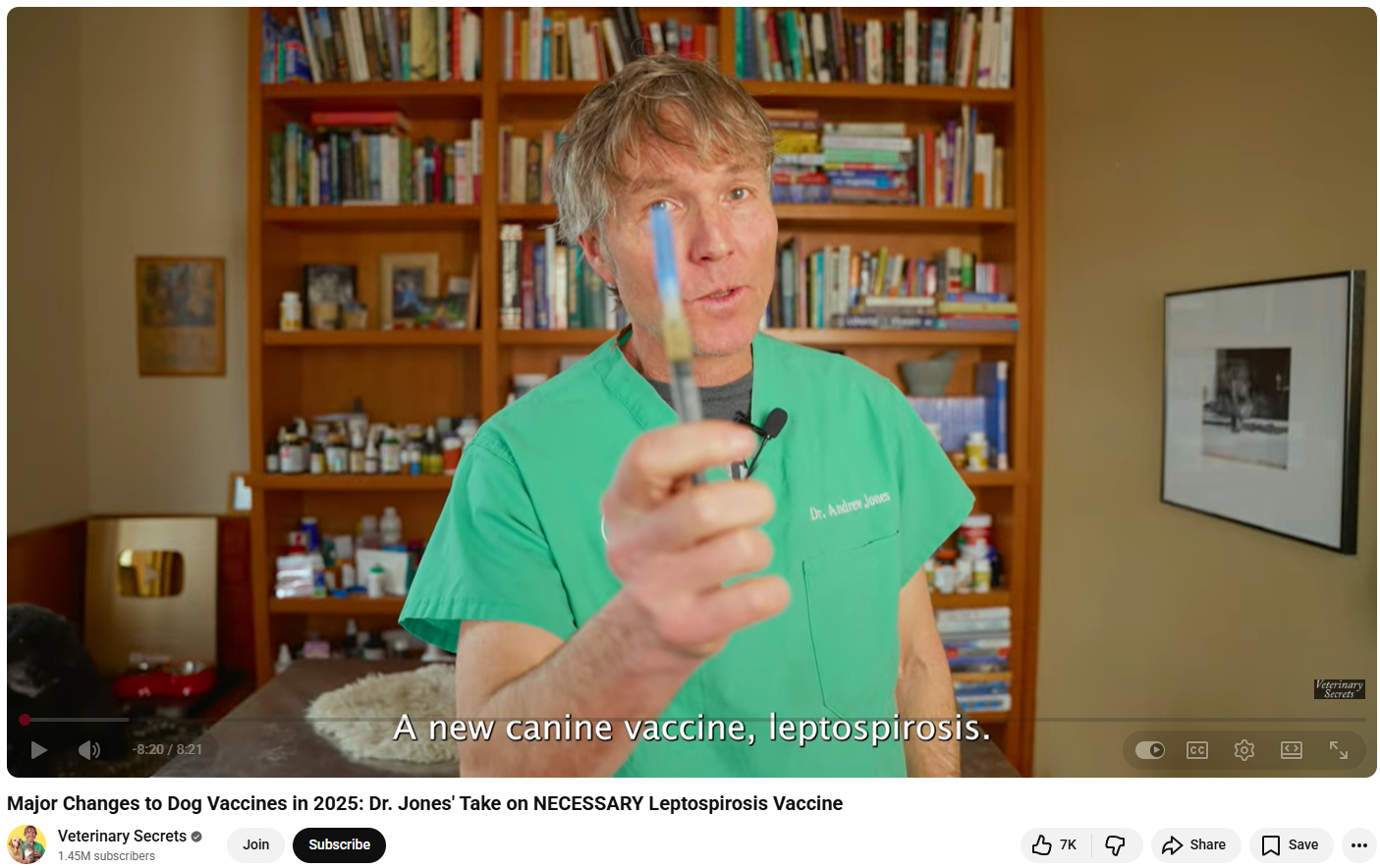
Recent veterinary guidance, including updates from American Animal Hospital Association, has moved toward recommending the Leptospirosis vaccine more routinely due to increased environmental exposure and its zoonotic nature (it can affect both dogs and humans).
However, we still will NOT be giving this to our dogs.
Not at this time.
-2026
Our Experience & Perspective
Over the years, we have seen and heard of some dogs having stronger reactions to the Leptospirosis vaccine compared to other vaccines.
Important to Understand
- No vaccine provides 100% protection
- Every dog responds differently
- There are both risks and benefits with any vaccine
Before making a decision, we strongly encourage you to educate yourself on this vaccine.
Do not rely on quick answers or assumptions.
Take the time to:
Read credible sources
Ask your veterinarian detailed questions
Understand both the benefits and the risks
Our Recommendation
Have a thoughtful, informed conversation with your veterinarian before proceeding.
Things to discuss:
- Your location and environment
- Exposure risk (wildlife, standing water, rural vs. city)
- Your puppy’s age and overall health
- Your comfort level as an owner
- & Vaccine Reactions!
Our Position
We believe this is a decision that should be made carefully and intentionally — not rushed or automatically given without discussion.
Our Dogs DO NOT GET this Vaccine!
At this time, we do not vaccinate our own dogs for Leptospirosis.
This is a decision we have made based on our personal experience, environment, and comfort level within our own program.
Every home and situation is different.
What is appropriate for our program may not be the same for every puppy owner.
We share this so you have full transparency into how we raise and manage our dogs, and so you can take that into consideration as you make decisions for your own puppy.
Dog’s Lifetime Commitment
If at any time you can no longer keep this dog, please contact us.
We will make arrangements to take the dog back, or if we do not have room at that time, we will help you place the dog into a suitable home as quickly as possible.
We DO NOT refund any money paid for this dog or purchase the dog back.
This is because any dog that comes back to us will be placed into a carefully selected home through our adoption program — and we do not charge an adoption fee.
We take placement very seriously.
All adopters are:
Carefully screened
Required to provide veterinary references
Subject to home checks
Dogs are adopted out with a spay/neuter contract if it has not already been completed.
Please keep your dog’s AKC registration paperwork in a safe place, as it will need to be returned with the dog if they come back to us.
We offer this option to all of our puppy buyers to help ensure that none of our dogs ever end up in a shelter or rescue.
We will gladly take them back or help you find them a home at any time.
We understand that life happens.
There is no judgment here.
Please do not hesitate to reach out if you can no longer keep your dog — we are here to help.
Yes, you may list us in your WOLL as someone to take your dog if something happens to you.
We are asked that more often than you might think.
Unexpected Loss (Please Read)
If your puppy or young dog passes away suddenly, please do not bury them right away.
We understand this is a very difficult request.
This does not apply to:
Old age
- Known or diagnosed conditions (such as cancer)
We are referring to unexpected or unexplained deaths in young dogs/puppies.
If there is any possibility of a genetic, hereditary, or congenital issue, we want to know.
Please take your dog to a licensed veterinarian as soon as possible and request a necropsy.
We recommend Kansas State University (K-State) when available.
If the findings confirm a congenital condition (something the puppy was born with), we will replace your dog with a puppy from a similar breeding.
👉 A written report from your veterinarian is required.
We truly hope this is never something you have to go through.
However, we want you to feel confident knowing that we stand behind our dogs.
This is also one of the reasons we require a 72-hour veterinary exam after pick-up.
Final Thought
Just like people, dogs can develop health issues over time.
Some things are preventable, and some are not.
Be there for your dog through all stages of life.
Do not give up on them when they need you most — that time matters more than you realize.
📋 To Do List
1st Day Home – Register Your Puppy with AKC
Do this on day one
Why?
Once you register your puppy online, AKC will email you a certificate for a FREE initial veterinary visit.
You can print the certificate and take it with you to your puppy’s 72-hour vet visit, as we discussed earlier.
🩺 Important for Your First Vet Visit
Let your veterinarian know:
This is a wellness check only
Your puppy is NOT due for vaccinations at this visit
👉 Be sure to schedule your next appointment for the next booster vaccine before leaving.
AKC Registration Tips
Go slow when registering.
AKC will automatically pre-select additional options for you.
👉 These are not required
👉 You can remove them if you choose
If you want them, that’s fine — just know they increase the total cost.
AKC Registration Name
We work hard to produce quality dogs with strong pedigrees and genetics.
We kindly ask that you include our kennel name as part of your dog’s registered name.
We will write the Kennel Name on the paper puppy application.
"___________ von der Blue Line"
This helps pedigree tracking and means a lot to us as breeders.
Diet – Please Read
We recommend avoiding foods that contain:
Peas
Legumes
Pea flour
There has been ongoing discussion and research regarding a possible link between certain diets and DCM (Dilated Cardiomyopathy).
Some studies have not shown a direct link, while others have raised concerns. At this time, there is no clear long-term consensus.
👉 Because of this uncertainty, we choose to take a more cautious approach in our program.
We prefer to avoid foods with peas and legumes altogether.
This is a personal decision based on:
Our experience
Ongoing research
A desire to reduce potential risk
Spay and Neuter
We recommend waiting to spay or neuter your dog until at least 18 months of age, and closer to 2 years if possible.
Large breed dogs need time to fully develop.
Hormones play an important role in:
Joint development
Bone growth
Overall structure
Early spay/neuter has been associated in some studies with:
-
Hip dysplasia
- Elbow dysplasia
- CCL (ACL) injuries
FEMALE DOGS - Keep in mind:
There is a risk of pyometra in unspayed females.
This is a serious uterine infection that can become life-threatening if not treated.
As breeders, we are familiar with the signs and how to catch it early.
You may not be — so please stay aware and work closely with your veterinarian.
Male Dogs
We have no issue with you keeping your male dog intact.
However:
If you notice true aggression after your male reaches maturity (around 1 year), we strongly recommend neutering.
DO NOT WAIT
Some males can develop hormone-driven behaviors, and neutering at the right time can help manage this.
Aggression Policy
We will not take back any dog that shows aggression.
Aggression can often be influenced by:
Lack of structure
Poor socialization
Lack of training
Hormonal factors
We cannot put ourselves, our family, or visitors to our kennel/farm at risk.
Health Insurance for Your Dog
AKC Pet Insurance – Our #1 Choice
In today’s world, pet insurance is something we strongly recommend.
We’ve seen firsthand how quickly unexpected situations can happen.
Puppies and dogs can:
- Eat foreign objects and require emergency surgery
- Get into toxins and need urgent veterinary care
- Suffer injuries within the first few months at home
- Contract CD (A new rising fatal illness)
Have reactions to vaccines
Have reactions to flea-tick medications and more!
One of our GSP puppies even broke a leg shortly after going home.
The family faced very high veterinary costs for surgery and rehabilitation.
We do not want that to happen to you.
Our Recommendation
We strongly encourage you to carry pet insurance, especially during the first 2 years of your puppy’s life.
If possible, continue coverage beyond that.
What to Look For in a Plan
When selecting a policy, make sure it includes coverage for:
Hereditary conditions
Congenital conditions
Many major health issues can fall into these categories, depending on the policy.
Always read the details of your plan carefully so you understand what is and is not covered.
AKC Pet Insurance
After registering your puppy online with AKC, you will be offered:
- 30 days of free AKC Pet Insurance
- The option to continue coverage after the trial period
We recommend enrolling at that time so your puppy has immediate coverage.
Puppies must be at least 8 weeks old to enroll.
Cancer in Dogs:

Too many dogs are dying from Cancer!
It could be from all the things we throw at their sensitive systems.
A dog’s body is not built to last as long as ours. Yet we continue to throw monthly systematical PESTICIDES at them.
They are absorbed into their system and kill fleas and ticks. Mites too!
Do we use products like this on ourselves? NO!
We use sprays that help as a deterrent from bug bites during the summer!
Consider that. Please!
Before you give your dog a chewable flea and tick preventative read the article below:

Look into natural alternatives for flea and tick deterrents.
I am going to provide what we use below:
I have used this product, I love it! Find it here:

Tick Prevention
Prevention is key.
We personally prefer using deterrents in addition to, or instead of, relying only on systemic treatments.
Many monthly preventatives work by killing ticks after they bite, which still allows potential exposure to disease.
Deterrents, such as sprays, are designed to make ticks less likely to stay on your dog or attach in the first place.
Ticks can carry diseases such as:
- Lyme disease
- Ehrlichiosis
- Rocky Mountain Spotted Fever
- Anaplasmosis
- Babesiosis
- Hepatozoonosis
You can explore options such as:
- Sprays
- Shampoos
- Products containing ingredients like neem or peppermint oil
The goal is to make your dog less attractive to ticks.
Important:
- Natural products often require frequent application (sometimes daily)
- Not all products are equally effective
- Always make sure anything you use is safe for dogs
Yes, it can be more work — but your dog is worth it.
We also recommend annual bloodwork to help screen for tick-borne diseases.
(Pet insurance may help cover this.)
Toys
❌ Avoid:
- Rope toys
- Toys that can be easily chewed apart and swallowed
- Anything that could cause a blockage
✔ Recommended:
- Kong toys
- Durable rubber toys
- Heavy-duty chew toys
-
Toys designed for aggressive chewers
Elk Antlers
⚠️ Important:
Never leave your puppy or adult dog unattended with toys or bones.
Training Treats
We prefer simple, clean treats.
We use:
- Baked chicken (cut into small pieces)
- Dehydrated meat treats
No additives — and puppies love working for real food.
Microchip
This puppy is microchipped.
We will enroll the microchip with you on the day of pick-up.
👉 This is one of the most important steps — make sure your contact information is correct and kept up to date.
Lifetime Breeder Support
We offer lifetime breeder support.
We have been breeding for many years and have seen a lot.
I may not have every answer, but I will always help you find one.
You can call, text, or email anytime if your puppy is having an issue.
I want to know.
This also helps us monitor:
Genetic trends
Health concerns
Anything that may appear in our lines over time
Not every condition can be tested for.
That’s why honest communication matters.
Never feel like we will ignore you or avoid responsibility — we won’t.
We care deeply about:
Our dogs
Our breeding program
The health and future of every puppy we produce

___________________________________________________________________

Potty Training:
There are so many good ways to potty train a dog. You may have to find your own way. When we are potty training a puppy, they are on a strict feeding schedule. Twice Daily. In the morning then once again at 4 p.m.
No food is placed down past the 4 p.m. feeding time.
Water is pulled up one hour before the human’s bedtime.
Potty your puppy many times during the day but mostly after each time they WAKE UP from a nap or AFTER they eat!
Potty your puppy before you go to bed. If food was picked up after the 4 p.m. feeding they should have a much easier time holding it all night. Don't leave kibble down for your puppy to free feed.
PREVENTION IS KEY!
This breed potty trains so quick.
You got this!
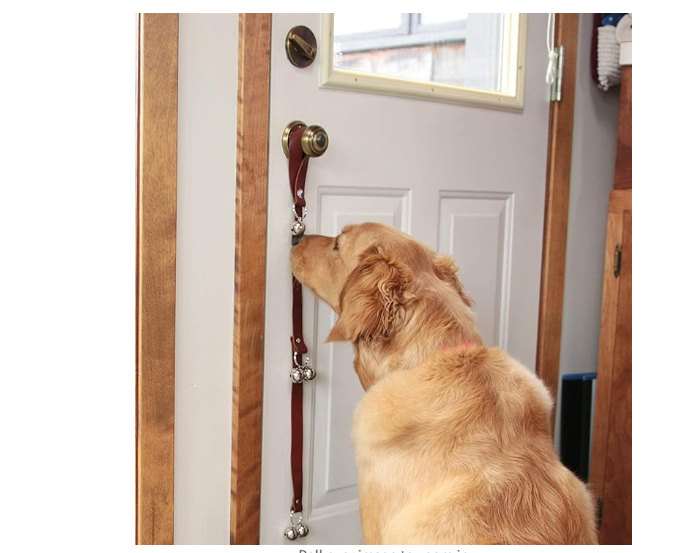
One more fun thing to do, place a bell on a string by your front door. Teach them to ring the bell before they go outside. Soon, this is how they will tell you they need to go outside. They ring the bell.

If you love your puppy, we would truly appreciate a Google review with a picture.

TAG us in every picture! Really! We love it!
WE LOVE UPDATES!
And use the hashtag #bluelinegundogs
We want this to be a fun, safe, enjoyable experience for everyone involved.
Make sure to check back on our "HOT TOPICS" Page often.
Please check over the "HOT TOPICS" Page also, before picking up your puppy!
==============================================================================================
We purchase our Dog Collars from Gun Dog Supply and Lion Country Supply!
The puppy collar your dog will be wearing, came from them!


BELOW are places that sell WILDOLOGY DOG FOOD!