Blue Line Gun Dog's Hot Topics

🚨 IMPORTANT DOG OWNER ALERT: CANINE DYSAUTONOMIA 🚨
Please help spread awareness and protect our dogs!
Canine Dysautonomia is a serious, potentially life-threatening neurological disease that affects the autonomic nervous system, which controls involuntary body functions such as digestion, bladder function, and pupil responses.
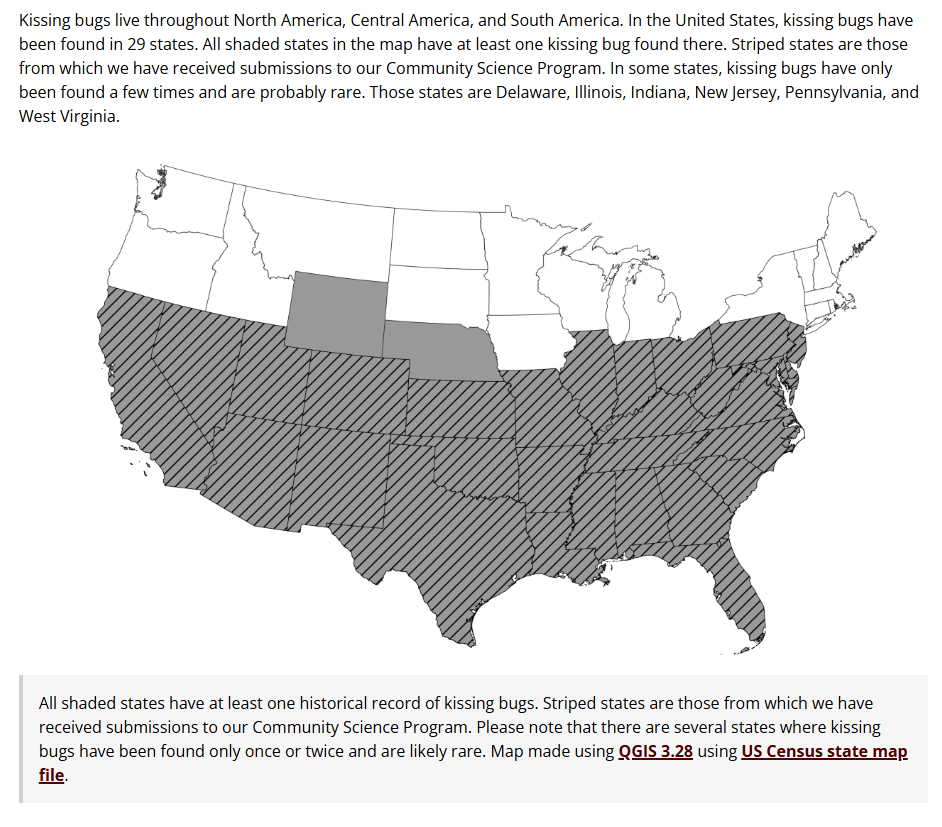
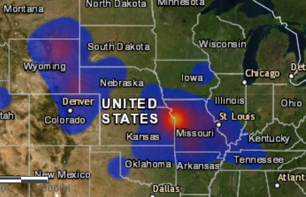
Cases have been reported in several areas of the United States, including Kansas, Missouri, Colorado, and Wyoming.
⚠️ WHAT CAUSES CANINE DYSAUTONOMIA?
The exact cause of Canine Dysautonomia is not yet known.
Researchers are investigating possible environmental connections, including soil-associated bacteria and potential toxins. However, no definitive cause or source of infection has been confirmed.
Because research is ongoing, taking sensible precautions around potentially hazardous environments is important.
🚫 AVOID POTENTIALLY HIGH-RISK AREAS
- Stay informed about reported cases and current Canine Dysautonomia research.
- Avoid allowing dogs to roam or play in locations associated with reported cases.
- Be especially cautious around freshly disturbed or excavated soil.
PLEASE DO NOT LET YOUR DOG PLAY IN, DIG IN, ROLL IN, OR EAT FRESHLY DISTURBED SOIL!
Examples include:
- Trenched soil from utility or construction work.
- Soil disturbed by augers or post-hole diggers.
- Soil excavated during pond or lagoon construction.
- Soil from basement excavations.
- Freshly dug yards, landscaping projects, and other excavation sites.
These are precautionary avoidance recommendations. They have not been established as confirmed sources of Canine Dysautonomia.
🧼 PRACTICE PREVENTATIVE HYGIENE
If your dog has been exposed to soil or mud in an area of concern:
- Thoroughly wash your dog's paws, legs, and coat with soap and water.
- Remove visible mud, soil, and plant material.
- Prevent your dog from licking or eating soil or debris.
- Do not allow your dog to investigate or consume potentially contaminated material.
Important: Washing removes soil and debris, but it has not been scientifically proven to prevent Canine Dysautonomia. Avoiding potentially hazardous exposure is the priority.
🐾 KNOW THE WARNING SIGNS
Contact a veterinarian immediately if your dog develops concerning symptoms, including:
- Vomiting or regurgitation.
- Loss of appetite.
- Extreme lethargy or weakness.
- Dilated pupils or unusual eye changes.
- Difficulty urinating or loss of bladder control.
- Difficulty swallowing.
- Progressive weakness or collapse.
Prompt veterinary attention is critical.
❤️ PLEASE SHARE THIS MESSAGE
We do not yet know exactly what causes Canine Dysautonomia.
Researchers are continuing to investigate possible environmental and bacterial connections, but much remains to be discovered.
Until more is known, we can take reasonable precautions, stay informed, monitor research developments, and avoid unnecessary exposure to potentially hazardous environments.
PLEASE REMEMBER: KEEP DOGS OUT OF FRESHLY EXCAVATED, TRENCHED, AUGERED, OR OTHERWISE DISTURBED SOIL.
Do not let them dig, roll, play, or eat soil in these areas.
Our dogs depend on us to protect them.
🐾 PLEASE SHARE TO HELP RAISE AWARENESS AND PROTECT OUR DOGS! ❤️
(Each picture below is a link — click on any image to learn more or access resources and research updates.)


Click the pictures below to follow Diseases killing our dogs and the research going into it!
***************

m